Free Pointer for Adoption
There are 27 Pointer listings live right now, last updated 5 days ago. Free Pointer rehoming adverts... There are 27 Pointer listings live right now, last updated 5 days ago. Free Pointer rehoming adverts from across the UK can be explored on this page. Depending on what has been posted, you may see Eng... There are 27 Pointer listings live right now, last updated 5 days ago. Free Pointer rehoming adverts from across the UK can be explored on this page. Depending on what has been posted, you may see English Pointers, Pointer crosses and dogs currently living with an owner, foster carer or rescue group. Open an advert to view the location, photographs and background its author has provided. Contact that person or organisation directly if you want to ask about a dog or arrange an introduction.

Buscas un compañero leal en Madrid

🏡 Dale un hogar para siempre en Valencia

Red toy poodle boy
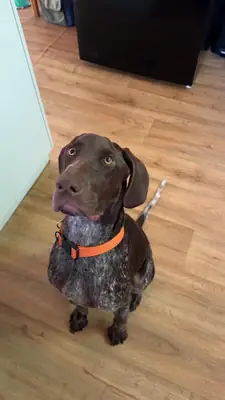
active dog, not suited to my routine

Amazing Micro Pomeranian puppies

Si vives en Zaragoza, este encantador Braco Alemán puede convertirse en el nuevo miembro de tu famil

German Shorthaired Pointers
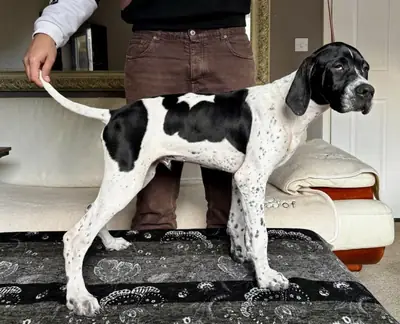
White Pointer Puppies – Ready for Their Forever Homes

❤️ En Barcelona, un maravilloso Braco Alemán espera una familia responsable

Haz que tu hogar en Málaga se llene de alegría con un Braco Alemán cariñoso, inteligente y muy jugue

Beautiful Papillon Puppies

🐶 Vive grandes aventuras en Gijón junto a un Braco Alemán leal, activo y perfecto para toda la fami

En Sevilla te espera un Braco Alemán sano, sociable y listo para compartir momentos inolvidables

F4 Female Pomsky

🏡 En A Coruña, un Braco Alemán busca un hogar donde reciba el amor y los cuidados que merece. 📧 Co

We have Pomeranian puppiess

⭐ Si estás en Alicante, este Braco Alemán

🐾 En Córdoba, un Braco Alemán lleno de amor está esperando una familia responsable. ¡Hazlo parte de

Teacup Toy Poodle pups

Pointer Adoption

German Shorthaired Pointer Puppies

Pointer, we couldn't keep up with its energy.

Male and female Toy Poodle from Tiko Road.
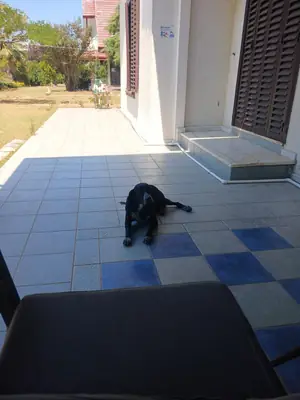
Hunting dog looking for a home

pointer, a very active dog

Lovely pomeranian puppies for adoption WhatsApp ***

Female Poodle Puppy with Health Test
Haven't found the pet you're looking for? Let people who want to find a new home for their pet reach out to you.
Create your free pet adoption request listing now and be seen by thousands of pet owners.
While waiting for answers from pet friends, would you like to support homeless street animals?
At petopic, every pet friend who completes daily tasks means 1 bowl of food donated to a street animal. You can view your daily tasks from your profile.
The Pointer in 2026: Temperament, Costs, and Health Insights for Prospective Owners
Discover the Pointer's traits, health screenings, costs, and more in our detailed guide. Perfect for prospective adopters seeking comprehensive insights.
Popular Searches
Pointer adoption
A strong Pointer adoption section should move quickly past looks and get into the working reality of the breed. The most useful listings show how much daily exercise the dog gets, whether it has any safe off lead routine, how it behaves after exercise inside the home, and whether it is being matched as a true house dog rather than an outside dog with occasional attention.
Good adoption copy here should also help the adopter screen for fit early. A Pointer needs a home that can handle stamina, scent distraction, and close daily family contact. That means the best listings explain routine, training level, house manners, and how the dog copes when excitement fades and ordinary life begins.
English Pointer adoption
This section should make the breed identity clear from the start. Some listings use Pointer, others use English Pointer, and the page should remove that ambiguity immediately so the visitor knows they are looking at the same breed rather than a different pointing dog.
The strongest content under this heading should keep the focus on matching, not naming alone. If the dog is an English Pointer or Pointer mix, the listing should say so clearly and then explain whether the exercise, recall, and household expectations still line up with what a Pointer-focused adopter is actually ready for.
Pointer rescue near me
A useful local rescue section should make location, meeting expectations, and transport limits clear early. The visitor should be able to tell whether the dog is actually nearby, whether the rescue places regionally first, and whether travel will become part of the process before they invest time in a specific dog.
The best version of this section also explains how the first steps work. Rescue enquiries, coordinator calls, and home screening matter more than impulse clicks. If the rescue uses local foster homes or asks adopters to help with part of transport, the page should say that plainly.
free Pointer rehoming
A strong rehoming section should explain why the dog is leaving its current home and what that means for the next one. With a Pointer, the useful questions are practical: Was the dog under-exercised, living mostly outside, left alone too long, or expected to have perfect recall too early?
The most valuable listings here give the next adopter the full handover picture. They should say what the dog is used to, whether it is crate trained, whether it sleeps indoors, how it handles family contact, and what routines must stay consistent to stop the same mismatch happening again.
adopt a Pointer
This section should help the adopter move from interest to a short list. The right content here is not generic breed praise. It is current availability, exercise expectations, family fit, lead manners, and the home setup that will actually keep the dog safe and sane.
When this section is done properly, it filters bad matches early. It should make clear whether the Pointer needs an active home, a fenced yard, regular running, or closer human contact than the average adopter first assumes from a short-coated sporting dog.
Pointer dogs and puppies near me
This section works best when it helps the visitor compare age groups honestly instead of blending them together. Pointer puppies, adolescents, and adults do not ask for the same kind of home, and the page should make that obvious right away.
Puppies need constant guidance, very frequent routine building, and early control around birds and scents. Adults give a much clearer picture of recall, house settling, crate comfort, and how much running they really need. The section should make those tradeoffs visible.
adult Pointer adoption
An adult Pointer section should focus on known behaviour rather than potential. By adulthood, the adopter should be able to see whether recall is realistic, how strongly the dog reacts to scent and birds, whether it settles in the house, and whether it is genuinely sociable with visitors and other dogs.
The strongest listings here also explain what part of training is already done. An adult Pointer can be a much cleaner match when the page says clearly whether the dog is crate trained, can be left for short periods, walks well on lead, and understands how to live indoors with a family.
Pointer recall and off leash
This section should deal with reality, not optimism. Pointers are bred to hunt birds and cover ground, so off lead freedom should be discussed as a training and safety issue, not as a default privilege the dog automatically earns.
The best content here explains whether the dog is only safe off lead in fenced areas, whether long-line work is still needed, and whether a newly adopted rescue Pointer should be kept on lead for a significant adjustment period while recall and trust are rebuilt properly.
Pointer fenced yard
A fenced-yard section should make safety practical. For a Pointer, this is not cosmetic. The yard is part of the daily management plan because the breed is fast, curious, scent-driven, and easily tempted to range wider than the owner planned.
The strongest listings here should explain what kind of fencing the dog has known, whether the dog tests boundaries, and whether safe outdoor time requires a real enclosed space. Weak or vague wording here creates bad placements, so the page should be direct.
Pointer can be left alone
This section should explain the conditions, not give fantasy reassurance. A Pointer may cope with some alone time if exercise, structure, and crate routine are already strong, but too much separation and too little activity can turn into noise, pacing, and destructive boredom fast.
The most useful listings tell the truth about what the dog already manages. They should say whether the Pointer rests calmly in a crate, whether it can be left only after a proper run, and whether the next home needs a more present daily rhythm than the adopter first planned.
Pointer with cats and other dogs
This section should be built around actual testing and observed behaviour. A Pointer may do well with other dogs and can sometimes live with cats, but the useful question is not whether the breed is generally nice. It is whether this dog has already shown safe, calm behaviour in those situations.
The strongest listings here explain how introductions should happen and what is already known. If the dog has lived with cats, say that. If only careful supervised introductions are possible, say that. If the dog is too birdy or chase-oriented, that needs to be written plainly.
Pointer training and crate routine
This section should explain how the dog learns to live in a home, not just how to sit on command. With rescue Pointers especially, crate routine, positive obedience, and consistent house rules are often what turn a high-output field dog into a manageable family companion.
The best content here should make the training style clear. Fair, calm, positive handling works better than harsh corrections, and the crate should be presented as a safe place for rest and structure rather than punishment. That is the kind of detail serious adopters need.
Pointer rescue application
A strong rescue-application section should explain the actual screening path. With specialist Pointer rescue, that often means an application first, then a coordinator call, interview, vet reference if needed, and a home visit that may be done virtually.
The best content here also explains what happens after approval. The adopter should know whether transport help exists, whether distance matters, and whether the rescue places dogs based on fit rather than speed. That makes the page useful instead of vague.
Frequently Asked Questions
What kind of home usually suits a Pointer best?
A Pointer usually suits a home that can offer real daily exercise, close family contact, clear routine, and safe outdoor management. This is not a breed that stays balanced on a short walk and a bit of garden time.
A strong listing should explain whether the home suits a dog that wants to run, stay close to its people, and live inside as part of the household. The right match is not just about size. It is about stamina, structure, and how much daily life the dog shares with its humans.
Why do Pointers need so much exercise and running space?
Because the breed was built to hunt birds and cover ground. A Pointer that never gets the chance to run, stretch out, and work its body properly will often create its own outlet in the wrong way.
The best adoption pages make this practical. They explain whether the dog needs long walks, safe fenced running, jogging, or structured aerobic activity, and they make it obvious that this breed usually wants more than ordinary companion-dog exercise.
Why can recall still be difficult even when a Pointer is smart and eager to please?
Because intelligence does not cancel instinct. Pointers are bred to find birds, range out, and work scent and movement over a lot of ground, so distraction can beat training very quickly when the environment gets exciting.
A useful listing should say whether recall is proven, whether fenced exercise is still the safer choice, and whether the adopter should expect a long line and serious recall work before giving the dog too much freedom.
Do Pointers really settle well in the house after exercise?
Very often, yes. One of the biggest surprises with a well-exercised Pointer is how settled and even lazy the dog can seem indoors once its movement needs have been met properly.
The right page should make that contrast clear. A Pointer is not nonstop chaos all day. The problem comes when the dog is under-exercised, under-stimulated, or kept away from family routine and expected to sort itself out alone.
Can a Pointer be kept as an outside-only dog?
That is usually the wrong setup for this breed. Pointers are bred to work with people and need real family contact, house routine, and regular socialisation outside the home.
A strong listing should say clearly whether the dog lives indoors, sleeps indoors, and has already adapted to house life. Treating a Pointer like an outside-only yard dog often leads to the exact behaviour problems the next adopter then has to fix.
Are Pointers good with children and other pets?
Often yes, but the useful answer is always about the individual dog, not a lazy breed cliché. Many Pointers are sociable with people and dogs and can live with other pets when introductions and training are handled properly.
The best listings should explain what is already known. If the dog has lived with children, cats, or multiple dogs, say that. If supervision and training are still needed, say that too. Honest compatibility notes are worth much more than broad promises.
Can Pointers be left alone for long hours?
Often not comfortably without structure, and sometimes not without real problems developing. A Pointer that gets too little movement and too little human contact can become destructive, noisy, or impossible to settle.
A useful listing should explain what the dog already manages. Serious adopters need to know whether the Pointer can rest calmly in a crate, whether absence triggers stress, and whether the next home needs a more present daily routine.
Why do rescue Pointers often need positive training and crate routine after adoption?
Because many rescued Pointers arrive with uneven history. Some have been strays, some have lived mostly outdoors, and some have never really learned the rules of ordinary home life even though they adapt well once structure appears.
The best pages make that practical. Positive group obedience, fair handling, and crate routine help the dog learn the new house rules without shutting down. Harsh correction usually makes things worse, not better, with a sensitive working dog.
Why are adult Pointers often easier to match than puppies?
An adult Pointer usually gives a much clearer picture of recall, energy level, house settling, sociability, and how much exercise the dog really needs to stay balanced. That makes matching much more honest.
A puppy may look simpler than it really is, but a mature Pointer tells you far more clearly whether the home and routine are actually right. For many adopters, that clarity is worth more than the idea of starting from scratch.
Why do some listings say English Pointer or Pointer mix instead of only Pointer?
Because adoption inventory is rarely perfectly tidy. Some dogs are listed simply as Pointer, some as English Pointer, and some as mixes when the rescue is being more cautious about exact breed makeup.
A useful listing should make that clear without creating confusion. The page should tell the adopter what the dog is identified as, what is known about the background, and whether the same exercise, recall, and household expectations still apply.
What should a strong Pointer adoption listing include?
A strong listing should do much more than say the dog is friendly and needs a loving home. It should clearly show age, sex, location, exercise routine, recall reality, time left alone, fenced-space needs, crate and house routine, and whether the dog has lived in rescue, foster care, or a settled home before.
For this breed, the best listings also explain children and other-pet history if known, training style, how the dog handles visitors, and whether the rescue or owner is looking for an active home, a house-dog setup, or someone already comfortable with high-output sporting breeds. That is what separates serious enquiries from wasted time.