Rhodesian Ridgeback in 2026: Temperament, Costs, and Health Insights for New Owners
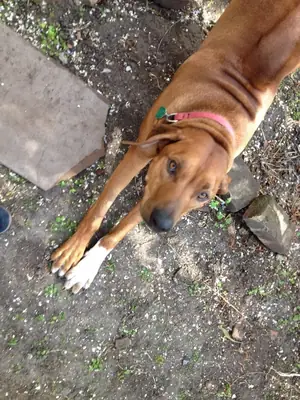
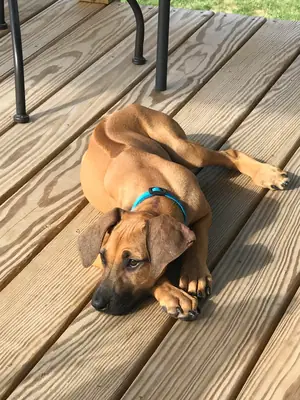
The Rhodesian Ridgeback is a unique breed known for its distinctive ridge of hair along its back and its roots as a lion hunter in Africa. These dogs are not only athletic and strong but also have a loyal and protective nature, making them a fascinating choice for experienced dog owners.
1. Breed Identity & Standards
Originating from Southern Africa, the Rhodesian Ridgeback was initially bred for hunting and guarding purposes. This breed is medium to large, with males typically standing between 63-69 cm (25-27 inches) and females 61-66 cm (24-26 inches) at the shoulder. Their weight ranges from 32-40 kg (70-85 lbs) for males and 29-34 kg (64-75 lbs) for females. The Ridgeback's coat is short, dense, and sleek, most commonly seen in a light wheaten to red wheaten color.
| Trait | Typical Value | Why it matters |
|---|---|---|
| Origin | Southern Africa | Bred for hunting lions, influencing their courage and stamina. |
| Size | Medium to Large | Requires space and an active lifestyle. |
| Coat | Short, dense | Minimal grooming needs, suitable for warm climates. |
| Lifespan | 10-12 years | Consider long-term commitment and potential health costs. |
2. Temperament & Instincts
The Rhodesian Ridgeback is known for its independent yet affectionate nature. Historically bred to hunt in packs and guard homesteads, these dogs are both loyal and protective of their families. They exhibit a strong prey drive due to their hunting heritage, which requires owners to manage their interactions with smaller animals carefully.
While generally quiet and reserved, Ridgebacks can be vocal if they sense a threat. Their independence means they can be aloof with strangers, but with proper socialization, they become well-mannered companions. Their protective instincts and loyalty make them excellent watchdogs, though they require consistent training to ensure their guardian nature is well-directed.
3. Daily Activity / Exercise Needs by Life Stage
Rhodesian Ridgebacks are energetic dogs that need regular exercise to maintain their physical and mental health. Exercise requirements vary by age, and it’s crucial to tailor activities to their developmental stage.
| Life Stage | Target | Notes |
|---|---|---|
| Puppy | 30-45 minutes/day | Focus on short play sessions to prevent overexertion. |
| Adult | 60-90 minutes/day | Include walks, runs, and play to satisfy their energy levels. |
| Senior | 30-60 minutes/day | Adjust intensity to match their physical capabilities. |
4. Purchase/Adoption Price Framework
The cost of acquiring a Rhodesian Ridgeback can vary significantly depending on the source. Prices are generally higher for puppies from reputable breeders, especially those who provide health screenings and pedigrees.
| Source | Price Range (USD) | Notes |
|---|---|---|
| Reputable Breeder | $1,500-$3,000+ | Includes health guarantees and pedigree. |
| Rescue/Adoption | $150-$500 | Lower cost, may include adult dogs. |
5. First-Year Setup + Monthly Running Cost
Owning a Rhodesian Ridgeback involves various setup and ongoing costs. Here’s a breakdown of typical expenses:
| Item | Cost (USD) | Notes |
|---|---|---|
| Initial Vet Visit & Vaccinations | $300-$500 | Includes first-year vaccinations and health check. |
| Spaying/Neutering | $200-$500 | One-time cost, varies by location and vet. |
| Crate, Bed, Toys, etc. | $150-$300 | Essential for comfort and training. |
| Monthly Food | $50-$100 | Quality diet tailored to breed needs. |
| Annual Total | $1,200-$2,500 | Includes all initial and recurring costs. |
6. Nutrition by Life Stage
Proper nutrition is vital for the health and longevity of a Rhodesian Ridgeback. Nutritional needs change as they grow and age.
| Life Stage | Dietary Needs | Notes |
|---|---|---|
| Puppy | High protein, moderate fat | Supports growth and development. |
| Adult | Balanced diet with joint supplements | Maintains energy levels and health. |
| Senior | Low calorie, joint support | Manages weight and mobility. |
7. Grooming / Coat & Hygiene Care
The Rhodesian Ridgeback's short coat is low-maintenance, requiring weekly brushing to remove loose hairs and maintain skin health. During shedding seasons, more frequent grooming may be needed. Bathing should be occasional, as over-bathing can strip natural oils from their skin.
Regular dental hygiene, nail trimming, and ear cleaning are essential components of their grooming routine. Dental care helps prevent periodontal disease, while keeping nails trimmed and ears clean prevents discomfort and infections.
8. Health
While generally healthy, Rhodesian Ridgebacks have some hereditary health concerns. Prospective owners should be aware of these potential issues and seek breeders who conduct relevant health screenings.
- Hip Dysplasia: A common joint condition. Screening is critical for breeding dogs.
- Elbow Dysplasia: Similar joint issue affecting the elbows, requiring monitoring and potential treatment.
- Dermoid Sinus: A congenital skin defect. Surgical correction may be necessary.
- Thyroid Issues: Including hypothyroidism, which affects metabolism.
Routine veterinary check-ups and preventive care are essential to manage these conditions and maintain overall health.
9. Training / Behaviour Priorities
Training a Rhodesian Ridgeback requires patience and consistency. Due to their independent nature, early socialization and obedience training are crucial. Focus on recall and impulse control to manage their strong prey drive.
Positive reinforcement techniques are most effective, as harsh methods can lead to resistance and fear. Engaging their intelligence with varied training exercises helps prevent boredom and behavioral issues.
10. Home Environment Fit
Rhodesian Ridgebacks thrive in environments where they have space to roam and explore. They are not ideally suited for apartment living unless provided with ample outdoor exercise opportunities. Fenced yards offer a safe environment for play and exploration.
With proper socialization, they can coexist with children and other pets, although supervision is recommended, especially around smaller animals due to their prey drive. Their protective nature makes them excellent companions for families.
11. Lifestyle Fit Matrix
| Lifestyle | Fit Verdict | Reason |
|---|---|---|
| Active Singles/Couples | Excellent | Enjoys outdoor activities and exercise. |
| Families with Kids | Good | Protective and loyal, but requires supervision. |
| Apartment Dwellers | Moderate | Needs significant outdoor exercise. |
| First-time Dog Owners | Challenging | Independent nature requires experienced handling. |
12. Breeder / Shelter / Adoption Checklist
- Verify health screenings for hip and elbow dysplasia.
- Check for dermoid sinus screening and any corrective surgeries.
- Ensure puppies are well-socialized and have basic training.
- Request references from previous buyers or adopters.
- Visit the breeding facility or shelter to assess the environment.
- Discuss diet and care requirements with the breeder or shelter staff.
13. FAQ
Does the Rhodesian Ridgeback shed a lot?
Rhodesian Ridgebacks have a short coat that sheds minimally throughout the year. Seasonal shedding may increase, but regular brushing helps manage loose fur.
Are Rhodesian Ridgebacks good with children?
Yes, they can be good with children when properly socialized. Their protective nature makes them loyal family pets, but supervision is recommended to ensure safe interactions.
How much exercise does a Rhodesian Ridgeback need?
Adult Rhodesian Ridgebacks require 60-90 minutes of exercise daily. This includes walks, play, and mental stimulation to maintain their health and prevent boredom.
Is the Rhodesian Ridgeback hard to train?
While intelligent, their independent streak can pose challenges. Consistent, positive reinforcement training is crucial, especially in managing their strong prey drive.
14. Note for 2026
As we move further into 2026, the importance of adopting from ethical breeders and shelters remains critical. Ensure that any Ridgeback you consider is screened for genetic conditions and has been raised in a healthy environment.
In conclusion, Rhodesian Ridgebacks are best suited for active, experienced owners who appreciate their unique blend of independence and loyalty. They are not ideal for first-time dog owners or those with limited time for training and exercise. However, for those who can meet their needs, they offer a rewarding companionship.