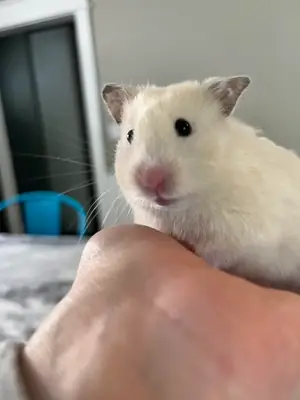
Siberian Hamster: A Comprehensive Guide for 2026
The Siberian Hamster, known for its small size and distinctive winter white coat, offers unique challenges and rewards to potential owners. As a popular choice for small pet enthusiasts, understanding their specific care needs and health predispositions is essential.
1. Breed Identity & Standards
The Siberian Hamster, also referred to as the Winter White Dwarf Hamster, originates from the steppes of Kazakhstan, Mongolia, and Siberia. This breed is renowned for its ability to change coat color in response to seasonal daylight variations, turning from grey-brown to a striking white during the winter months.
| Trait | Typical Value | Why it Matters |
|---|---|---|
| Origin | Siberia, Kazakhstan, Mongolia | Adapted to cold climates, affecting fur and behavior. |
| Size | 8-10 cm | Compact size makes them ideal for small spaces. |
| Weight | 30-45 grams | Lightweight, easy to handle for children and adults. |
| Lifespan | 1.5-2 years | Short lifespan requires consideration for emotional investment. |
| Coat | Grey-brown, turns white in winter | Unique seasonal color change; requires temperature management. |
| Lookalikes | Campbell's Dwarf Hamster | Similar in size; distinguishable by coat and behavior. |
2. Temperament & Instincts
Siberian Hamsters are known for their gentle and somewhat shy nature, making them a suitable choice for those looking for a pet that is less demanding in terms of social interaction. Unlike some other hamster breeds, they tend to be less aggressive and can be tamed with regular handling.
Their history as solitary animals in the wild contributes to their independent nature. They are generally nocturnal, with peak activity during the evening and night. This natural schedule aligns well with human routines, allowing for interaction during late hours. However, potential owners should be aware that these hamsters prefer quiet and calm environments.
3. Daily Activity & Enrichment Needs by Life Stage
Enrichment and exercise are crucial to the well-being of the Siberian Hamster. Providing a stimulating environment can prevent boredom and associated stress behaviors.
| Life Stage | Target | Notes |
|---|---|---|
| Juvenile | 20-30 minutes of playtime daily | Introduce simple toys and tunnels to encourage exploration. |
| Adult | 30-45 minutes of playtime daily | Include a variety of toys to stimulate both physical and mental activity. |
| Senior | 15-20 minutes of gentle play | Focus on low-impact activities to prevent injury. |
4. Purchase/Adoption Price Framework
The cost of acquiring a Siberian Hamster can vary significantly based on source and location. It's crucial to budget not only for the initial purchase but also for ongoing care and potential health costs.
| Source | Price (USD) | Notes |
|---|---|---|
| Pet Store | $10-$20 | Commonly available; verify health status. |
| Breeder | $20-$50 | Often healthier and well-socialized. |
| Rescue/Adoption | $5-$15 | Lower cost; may require additional veterinary care. |
5. First-Year Setup & Monthly Running Cost
Initial setup and ongoing care costs should be carefully considered. Investing in quality supplies can improve the hamster's quality of life and prevent health issues.
| Item | Cost (USD) | Notes |
|---|---|---|
| Cage & Accessories | $50-$100 | Includes wheels, toys, and hideouts. |
| Initial Veterinary Checkup | $30-$60 | Ensures a healthy start; budget for possible follow-ups. |
| Monthly Food & Bedding | $10-$20 | High-quality food and fresh bedding are essential. |
| Annual Cost | $200-$350 | Includes all recurrent expenses. |
6. Nutrition by Life Stage
Proper nutrition is vital to the health and longevity of the Siberian Hamster. Their diet should be tailored to their life stage to meet specific energy and nutritional requirements.
| Life Stage | Dietary Needs | Notes |
|---|---|---|
| Juvenile | High-protein, fortified pellets | Supports growth and development. |
| Adult | Balanced mix of seeds and pellets | Maintain energy levels and overall health. |
| Senior | Low-fat, easily digestible food | Prevents obesity and supports digestion. |
7. Grooming, Coat & Hygiene Care
The Siberian Hamster requires minimal grooming due to its short and dense coat. However, regular checks for cleanliness and general hygiene are necessary to maintain health.
While these hamsters typically manage their grooming, providing a sand bath can help keep their coat in top condition by removing oils and dust. Nail trimming might be necessary if they do not naturally wear down through digging and foraging.
8. Health
The Siberian Hamster is generally hardy, but like all breeds, it has some predispositions to certain health issues. Regular veterinary check-ups can help detect and manage these conditions early.
- Diabetes: A known risk in dwarf hamsters; monitor diet and weight carefully.
- Respiratory Infections: Can occur in dusty or unclean environments. Ensure proper cage maintenance.
- Dental Problems: Provide chew toys to prevent overgrown teeth.
Veterinary costs can vary, but it's wise to budget for unexpected health issues in addition to routine care, potentially ranging from $50 to $150 per visit.
9. Training & Behavior Priorities
While hamsters are not typically trained like dogs or cats, they can learn simple behaviors with patience and consistency. Taming through regular gentle handling is essential to build trust and reduce stress.
Encourage natural behaviors such as digging and foraging by providing a variety of toys and environments. This enriches their life and prevents behavioral issues stemming from boredom.
10. Home Environment Fit
Siberian Hamsters are well-suited for small living spaces, including apartments, due to their compact size and independent nature. However, they require a quiet, stable environment to thrive.
They are generally not recommended for very young children due to their delicate nature and specific handling requirements. They can coexist with other hamsters of the same species if introduced properly, but avoid mixing with different species to prevent conflicts.
11. Lifestyle Fit Matrix
| Lifestyle | Fit Verdict | Reason |
|---|---|---|
| Busy Professional | Good | Low maintenance; requires minimal daily interaction. |
| Family with Older Children | Excellent | Gentle nature; educational pet for responsible children. |
| Large Household | Fair | May need quieter space away from noise. |
| Small Apartment | Excellent | Compact size; adaptable to small spaces. |
12. Breeder / Shelter / Adoption Checklist
- Confirm the hamster's age and health status with recent veterinary records.
- Ensure the breeder or shelter provides information on the hamster's lineage and potential health issues.
- Check for clean and hygienic living conditions at the breeding or adoption facility.
- Ask about socialization practices to gauge the hamster's temperament.
- Verify the availability of a return policy or support post-adoption.
- Consider adopting from shelters to give a home to a hamster in need.
13. FAQ
How long do Siberian Hamsters live?
Siberian Hamsters typically live between 1.5 to 2 years. Their lifespan can be influenced by diet, care, and genetics, so providing optimal conditions can extend their life expectancy.
Do Siberian Hamsters change color?
Yes, Siberian Hamsters can change their coat color from grey-brown to white in the winter. This adaptation helps them blend into snowy environments in the wild.
Are Siberian Hamsters good for children?
They can be suitable for older children who understand the importance of gentle handling. However, they might not be ideal for very young children due to their delicate nature.
What is the best diet for a Siberian Hamster?
A balanced diet of high-quality hamster pellets, fresh vegetables, and occasional fruit is recommended. Avoid sugary treats, which can lead to obesity and diabetes.
14. Closing Verdict
The Siberian Hamster is an appealing choice for those seeking a small, quiet pet. Ideal for small living spaces, they offer unique companionship with minimal demands. However, their short lifespan and specific care needs require consideration. Families with older children or adults with a structured routine will find these hamsters a delightful addition to their home.