Looking to Adopt a Bird
There are 66 Bird listings live right now, last updated 2 days ago. Detailed profiles of people look... There are 66 Bird listings live right now, last updated 2 days ago. Detailed profiles of people looking to adopt birds. Living conditions, experience, budget and preferred bird characteristics for saf... There are 66 Bird listings live right now, last updated 2 days ago. Detailed profiles of people looking to adopt birds. Living conditions, experience, budget and preferred bird characteristics for safe matching opportunities.

Lovebird

any parrot or kittens needed for adoption has experiences with big parrots also

female African grey heron

Forpus or Conure Parrot

Parrot

Budgie parrot
It was my dream to have a beautiful pigeon, my first pigeon was a piece, but a hawk took it, I hope it is destined for me

Adorable parrot

Parrot
A cute parrot
I want to adopt a parrot.
Male Sultan parakeet

Parrot

Male jaco or macaw parrot

I want to adopt all kinds of parrots, friends who have them, I would be very happy if they consider it, thanks
I am looking for a macaw or a yaco

Parrot
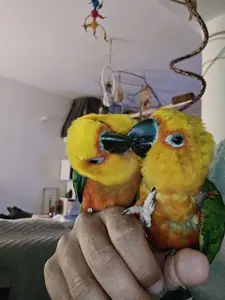
Looking for a male Jendaya conure/sun parakeet / sun cat

We will be ready to take a Jaco parrot
African Grey Parrot
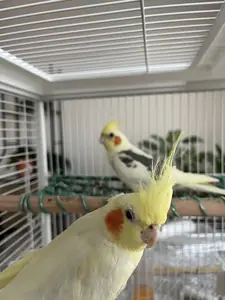
Orange-Cheeked Parakeet
Adopting a parrot

African Grey

African parrot, sultan parrot, paradise parrot

Gabon Grey
Alexandrine or Pakistan parrot
Parrot
Jako will be friends

Adopt a macaw
Parrot
Popular Searches
Adopt a parrot
Adopting a parrot is a meaningful decision that focuses on responsibility, patience, and long-term commitment. Parrots are intelligent, emotionally complex birds that require daily interaction, mental stimulation, and a stable environment. Adoption offers parrots a second chance to live in a calm and supportive home, especially those that have experienced changes in ownership. A well-prepared home with proper space, enrichment, and routine helps parrots adjust successfully. When adopted responsibly, parrots can form deep bonds and become lifelong companions.
Adopt a bird near me
Adopting a bird locally allows potential owners to better understand the bird’s behavior, health, and personality before bringing it home. Local adoption reduces transport stress and supports smoother adaptation. Birds are sensitive to environmental changes, so staying within the same region can improve comfort and stability. Meeting the bird in person helps ensure compatibility with lifestyle and living conditions. Local adoption encourages responsible ownership and supports animal welfare at a community level.
Adopt a bird in the UK
Adopting a bird in the UK has become increasingly popular as awareness of responsible pet ownership grows. Birds adopted within the UK are already accustomed to local climate and indoor living conditions. Proper housing, balanced nutrition, and regular interaction are essential for their well-being. UK households that provide calm routines and safe spaces allow birds to thrive. Adoption supports ethical care practices and helps reduce the number of birds needing new homes.
Adopt a bird for free
Free bird adoption often occurs when previous owners can no longer provide adequate care. While there may be no cost involved, the responsibility remains significant. Birds require proper cages, regular cleaning, quality food, and mental stimulation. Free adoption focuses on giving birds a safe and permanent home rather than financial exchange. With preparation and commitment, free adoption can be a rewarding experience that prioritizes animal welfare.
Parrots available for adoption
Parrots available for adoption often come from situations where long-term care could no longer be maintained. These birds may require patience and consistency as they adjust to new environments. Understanding parrot behavior, communication, and emotional needs is crucial. A calm household with predictable routines supports trust-building and reduces stress. Adoption provides parrots with stability and the opportunity to rebuild secure relationships.
Free parrot rehoming options
Free parrot rehoming focuses on placing birds in suitable homes rather than financial gain. Rehomed parrots may need time to overcome stress or previous changes. Providing enrichment, social interaction, and gentle handling helps rebuild confidence. A stable and attentive environment allows parrots to regain natural behaviors. Rehoming emphasizes compassion, long-term care, and responsible ownership.
Parrot rescue and rehabilitation
Parrot rescue and rehabilitation focus on recovery, safety, and preparation for future homes. Rescued parrots may come from neglect, unsuitable environments, or abandonment. Rehabilitation includes proper nutrition, veterinary care, and behavioral support. Once stabilized, parrots can transition into permanent homes where their needs are understood. Rescue efforts highlight the importance of ethical treatment and long-term responsibility.
Responsible bird adoption and care
Responsible bird adoption involves understanding the physical and emotional needs of birds. Adequate space, daily interaction, proper diet, and environmental enrichment are essential. Birds are intelligent animals that thrive in stable, caring homes. Long-term commitment ensures their health and emotional well-being. Responsible adoption supports animal welfare and builds meaningful human–animal relationships.
Frequently Asked Questions
What is the best age to adopt a pet bird?
In countries like the United States, the United Kingdom, Canada, and Australia, searches such as adopt a bird, best age to adopt a pet bird, pet bird care, bird species for beginners, and bird behavior guide are increasingly popular. This trend reflects a growing awareness among bird enthusiasts: adopting a bird is no longer just about acquiring a pet, but about forming a lasting and emotionally enriching relationship. The age at which you adopt your bird significantly influences its socialization, trust, and the depth of connection you can establish.
Adopting a baby bird (2–8 weeks) is ideal for those who want to bond from the earliest stages. At this age, the bird is highly receptive, curious, and learns rapidly. Early socialization and daily interaction help the bird develop into a confident and emotionally balanced adult. Searches like baby parrot adoption or adopting young birds indicate that adoptants are prepared to dedicate time, patience, and constant attention to ensure the bird grows with trust, security, and a strong emotional bond with its human companion.
Adopting a juvenile bird (2–6 months) is commonly associated with searches such as bird training tips and juvenile bird behavior. During this period, the bird develops its vocal abilities, personality, and social skills. Consistency, calm communication, and gentle guidance are essential to establish a healthy and enduring relationship. Engaging with a juvenile bird can be extremely rewarding, as it begins to recognize routines, develops trust, and forms attachments that last a lifetime.
Adopting an adult bird (6 months–3 years) attracts those who seek a companion with a more defined temperament. Popular searches like adult bird for adoption indicate that many prefer birds that are already emotionally stable and predictable in behavior, suitable for homes with varied schedules. Adult birds are independent but affectionate, needing less hands-on training than juveniles, and they thrive with daily mental stimulation and social interaction.
Adopting a senior bird (3 years and older) is an act of commitment and compassion. Senior birds offer calmness, stability, and a unique presence within a household. Although they are less active than younger birds, their companionship provides deep emotional fulfillment. With proper care, attention, and a gentle approach, senior birds remain healthy, emotionally vibrant, and capable of forming meaningful connections with their owners, enriching lives with their wisdom, loyalty, and quiet companionship.
What should you know before adopting a pet bird?
Common searches include pet bird care, pros and cons of pet birds, and pet bird species guide. Birds are intelligent, sensitive, and social creatures that require consistent interaction, mental stimulation, and a stable environment. Neglect or lack of enrichment can lead to stress, behavioral issues, and emotional withdrawal.
Providing a calm, predictable environment, with gentle handling and attention, ensures trust and emotional bonding. Birds thrive when their social and mental needs are met, developing into affectionate and interactive companions that respond emotionally and vocally to their human caregivers.
How does the bird adoption process work?
Searches like adopt a bird near me, bird rescue adoption, and buy or adopt a pet bird reflect the growing interest in responsible bird adoption. Birds are typically adopted through reputable breeders, rescue centers, or specialized adoption agencies that focus on the well-being and socialization of the animals.
The adoption process usually evaluates the prospective owner’s preparation, home environment, and experience. Birds communicate subtly through body language, vocalizations, and behaviors, forming deep bonds when they feel safe and understood. A careful adoption process ensures a fulfilling, lasting relationship with meaningful interaction, mental stimulation, and companionship.
What are the costs associated with adopting and caring for a bird?
Popular searches include cost of a pet bird and bird care expenses. Adoption fees vary based on age, species, and source, but adoption from a rescue or reputable breeder is generally more affordable than direct purchase. Many adoptions include guidance for basic care.
Long-term care includes providing a nutritionally balanced diet (quality seeds, pellets, fresh fruits and vegetables), a clean and safe cage, toys and enrichment, and occasional veterinary check-ups. The true investment lies in daily interaction, mental stimulation, and attention, ensuring the bird’s physical health, emotional well-being, and providing a deeply rewarding companionship that lasts a lifetime.
Can a bird live in an apartment?
Searches like pet bird in apartment highlight that many prospective owners worry about space. Birds adapt very well to apartment living if they have room to move, exercise, and mental stimulation through interaction and environmental enrichment.
They do not require large spaces but do need structured routines, social interaction, and a safe, clean environment. A properly cared-for bird in an apartment is active, happy, emotionally balanced, and provides charming companionship to its owner.
Is a pet bird suitable for families with children?
Yes, with supervision and proper guidance. Searches like pet bird and children show that families want to ensure compatibility. Birds are generally patient, observant, and responsive, but children must learn to handle them gently and respectfully.
With calm and consistent interaction, birds become affectionate companions that teach children empathy, responsibility, and care for living beings, enhancing the family environment with joy, active participation, and emotional engagement.
Is caring for a bird difficult?
Physically, birds are resilient but require a clean cage, nutritious diet, daily interaction, and occasional veterinary care. Emotionally, consistency, attention, and a calm environment are essential.
Neglect or lack of enrichment can lead to anxiety and withdrawal, whereas attentive care fosters trust, interaction, and a deeply rewarding bond. Well-cared-for birds thrive and provide a meaningful, affectionate, and enriching companionship.
What is the best diet for a pet bird?
Searches like best food for pet birds emphasize the importance of a balanced diet. Birds require a mix of quality seeds, pellets, fresh fruits, and vegetables. Occasional treats provide enrichment and stimulation.
Proper nutrition enhances plumage, longevity, mental engagement, and emotional stability. A well-fed bird is lively, active, and forms strong bonds with its human companion.
Why adopt a bird today?
A pet bird is not just an animal, it is an intelligent, active, and emotionally sensitive companion. Searches like why adopt a bird show that enthusiasts increasingly seek meaningful interaction with their birds.
Adopting a bird brings daily joy, vocal interactions, and affectionate companionship. For those willing to invest time, patience, and care, a bird becomes a lifelong friend, offering emotional satisfaction, active engagement, and a unique connection that transcends the typical pet-human relationship.