Cambridge Dog Adoption
There are 15 Dog listings live right now, last updated 1 week ago. Explore Cambridge dog adoption li... There are 15 Dog listings live right now, last updated 1 week ago. Explore Cambridge dog adoption listings on Petopic and find puppies, adult dogs, senior dogs, rescue dogs, foster dogs and rehomed fa... There are 15 Dog listings live right now, last updated 1 week ago. Explore Cambridge dog adoption listings on Petopic and find puppies, adult dogs, senior dogs, rescue dogs, foster dogs and rehomed family dogs looking for responsible homes; compare each dog by area, age, size, temperament, microchip status, vaccination history, neutering status, lead behaviour, house-training and whether they can live with children, cats, other dogs or apartment life before choosing the right match.
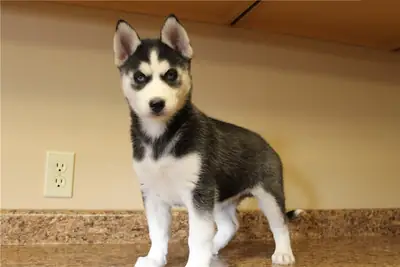
Sweet & Playful Husky Puppies Available

Pomeranian puppies

Gift male and female Cocker Spaniel puppies

White pomeranian that prefers staying close to people
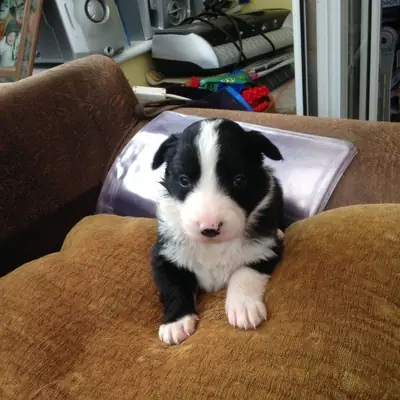
Beautiful Border Collie Puppies

Kc Reg Miniature Wire Haired Dachshund Puppy

Lovely Tibetan Spaniel for Adoption

Doberman for Adoption in the UK | Intelligent and Alert
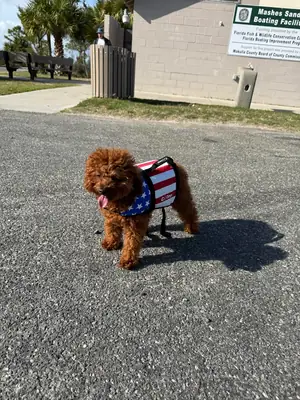
Sweet brown poodle girl searching for a patient owner

not compatible with my current routine
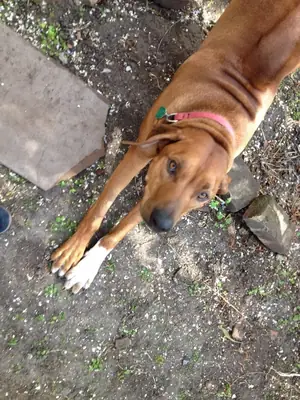
requires a more structured and active environment
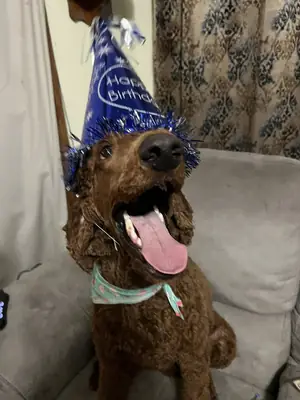
Brown poodle companion that prefers people over toys

Friendly labrador retriever used to living with people

Neapolitan Mastiff for Adoption | Calm Guardian

English Setter for Adoption | Active Companion
Haven't found the pet you're looking for? Let people who want to find a new home for their pet reach out to you.
Create your free pet adoption request listing now and be seen by thousands of pet owners.
Other listings in your area
Sweet brown poodle girl searching for a patient owner
not compatible with my current routine
Beautiful Border Collie Puppies
Doberman for Adoption in the UK | Intelligent and Alert
Gift male and female Cocker Spaniel puppies
Sweet & Playful Husky Puppies Available
Popular Searches
Cambridge dog adoption listings
Cambridge dog adoption listings should help people choose a dog with clear facts, not react to one emotional photo. A useful listing should show the dog’s age, size, sex, current area, temperament, microchip status, vaccination history, neutering status, lead behaviour, house-training and whether the dog can live with children, cats, other dogs or apartment life.
On Petopic, users can review dog adoption listings across Cambridge, Chesterton, Romsey, Cherry Hinton, Trumpington, Arbury, Newnham, Milton, Histon, Impington, Cambourne, Ely, St Ives and wider Cambridgeshire. The right dog is not simply the youngest puppy or the closest rescue; it is the dog whose behaviour, health background and daily needs match the adopter’s real home.
Adopt a dog in Cambridge
People searching to adopt a dog in Cambridge usually want a safe, local route from listing to home. They need to know whether the dog is calm, nervous, energetic, lead-trained, used to traffic, comfortable with bicycles, suitable for a busy family or better matched with a quiet adult household.
A strong adoption listing should explain daily life in direct terms. Can the dog be left alone, does it bark, does it pull on the lead, is it house-trained, does it chase cats, does it guard food, does it panic near roads or does it need slow introductions? Those details matter more than soft wording.
Dogs for adoption Cambridge
Dogs for adoption in Cambridge can include shelter dogs, foster dogs, private rehoming cases, puppies, adult dogs, senior dogs and dogs moved from other areas into Cambridgeshire. These are not the same type of adoption, so the listing must show the dog’s source, current care situation and handover process.
A good listing should tell the adopter what has already been done and what still needs work: microchip, vaccination, neutering, house-training, separation confidence, lead manners, vet history and compatibility. “Lovely dog needs home” is too weak. The adopter needs enough information to avoid a failed match.
Rescue dogs Cambridge
Rescue dogs in Cambridge may come from shelters, foster homes, local branches, private surrender or dogs moved through rehoming networks. Some are ready for a normal home quickly, while others need patient training, confidence-building, medical follow-up or a calmer environment.
A serious rescue dog listing should explain fear level, handling tolerance, lead behaviour, reaction to other dogs, health background, microchip status, vaccination history and whether the dog is suitable for first-time adopters. Moving a dog quickly is not success; placing the dog correctly is success.
Dogs for adoption Cambridgeshire
Dogs for adoption across Cambridgeshire can be searched from Cambridge, Ely, Huntingdon, St Neots, St Ives, Newmarket, Royston, March and nearby villages. Local distance helps with meetings, home checks and gradual introductions, but being nearby does not automatically make a dog suitable.
The listing should be specific about the dog’s routine and location. A dog living in a foster home may have better household notes than a dog in kennel stress; a dog from a rural setting may need help adjusting to city traffic and bikes. Cambridgeshire adoption works best when the listing explains environment, not just postcode.
Puppies for adoption Cambridge
Puppies for adoption in Cambridge attract heavy interest, but a puppy is not automatically the easiest option. Puppies need supervision, socialisation, house-training, chewing management, vaccination planning, calm routines and a household that can handle their energy.
A useful puppy listing should include exact or estimated age, expected adult size, health checks, vaccination stage, microchip details, parasite treatment, diet and whether the puppy has lived with siblings or in foster care. A puppy chosen only because it is cute can become a serious behaviour and cost problem later.
Small dogs for adoption Cambridge
Small dogs for adoption in Cambridge are often searched by people living in flats, shared houses or homes with limited outdoor space. But small size does not mean easy behaviour. Small dogs can bark, guard resources, dislike children, fear traffic, struggle with separation or need real training.
A strong small dog listing should explain noise level, lead behaviour, house-training, confidence with strangers, compatibility with children and whether the dog can be left alone. Choosing by size alone is lazy. A small anxious dog in a busy flat can suffer just as much as a large dog in the wrong home.
Adult dogs for adoption Cambridge
Adult dogs for adoption in Cambridge can be a smarter choice than puppies for many homes. Their size, character, energy level and behaviour are usually easier to understand. An adult dog may already be calmer, lead-trained, house-trained or used to a household routine.
A good adult dog listing should explain why the dog needs a new home, whether it can be left alone, how it behaves on walks, whether it reacts to bicycles or traffic, and whether it can live with cats, children or other dogs. Adult dogs are not second-choice dogs; they are often the realistic match.
Senior dog adoption Cambridge
Senior dog adoption in Cambridge is ideal for people who want a calmer companion and can offer routine, comfort and patience. Older dogs may need softer bedding, shorter walks, regular vet checks, joint support, dental care and a home that respects their pace.
A senior dog listing should be honest about medication, mobility, appetite, hearing or vision issues, house-training and whether the dog prefers quiet company. Adopting an older dog is not a compromise; it is a serious, kind choice when the adopter understands the responsibility.
Apartment-friendly dogs Cambridge
Apartment-friendly dog adoption in Cambridge is not only about choosing a small dog. The dog must handle neighbours, stairs or lifts, city noise, bicycles, alone time, lead walks and a predictable toilet routine. Some small dogs are noisy and anxious, while some medium dogs settle beautifully indoors.
A listing should explain whether the dog barks when alone, is house-trained, reacts to traffic, pulls on the lead, needs high exercise or has lived indoors before. Apartment fit is behaviour-based, not size-based. That detail should be visible before anyone applies.
Dogs good with children Cambridge
Dogs good with children in Cambridge is a high-value search, but the phrase must be used carefully. A dog should not be described as child-friendly unless there is real history or assessment behind it. A listing should say whether the dog has lived with children, what ages, how it handles noise, handling and toys, and whether supervision is needed.
Families should not choose from cute photos alone. The dog’s confidence, bite history, food guarding, jumping, mouthing, noise sensitivity and energy level all matter. A safe family match protects both the child and the dog.
Dogs good with cats Cambridge
Dogs good with cats in Cambridge is a practical search for adopters who already have a resident cat. A listing should not casually say “cat-friendly” unless the dog has been observed safely around cats or has a known history living with them.
Even a dog that ignores cats outside may behave differently indoors. The listing should explain prey drive, chase behaviour, calmness indoors and whether gradual introductions are needed. Throwing a rescue dog directly into a home with a cat is a bad plan. Slow, managed introductions matter.
Dog rehoming Cambridge
Dog rehoming in Cambridge should be handled with care, not panic. A strong rehoming listing should include age, size, sex, microchip status, vaccination history, neutering status, temperament, daily routine, lead behaviour, medical needs and the honest reason for rehoming.
The goal is not to get the most messages. The goal is to find the right home. If the dog is reactive, anxious, not suitable for children, not safe with cats, needs training or cannot live in a flat, say it clearly. Honest listings attract fewer but better enquiries.
Frequently Asked Questions
How do I adopt a dog in Cambridge safely?
Start with listings that give real information about age, size, health background, microchip status, vaccination history, neutering status, temperament, lead behaviour and home needs. A safe adoption decision is based on behaviour and welfare, not just a sad or beautiful photo.
Ask direct questions before committing: does the dog live well with children, cats or other dogs, does it pull on the lead, can it stay alone, is it house-trained, and how will the microchip keeper details be updated? If answers are vague or rushed, slow down.
What should a Cambridge dog adoption listing include?
A strong listing should include the dog’s name, age, sex, size, current area, health history, microchip status, vaccination details, neutering status, temperament, lead behaviour, daily routine and whether the dog can live with children, cats or other dogs.
It should also be honest about challenges. Hiding fearfulness, lead reactivity, separation anxiety, medical needs or house-training problems creates failed adoptions. Clear information helps the dog reach the right home faster.
Why is microchip information important when adopting a dog in England?
Microchip information is important because dogs over eight weeks old must be microchipped in England and Wales, and the database details should be kept up to date. Adoption is not just a physical handover; the keeper details must be handled properly.
Before adopting, ask whether the dog is already microchipped, which database holds the record and how the keeper details will be updated after handover. Ignoring this step is careless and can create problems if the dog is lost or found later.
Is a puppy or adult dog better for adoption?
Puppies need more supervision, socialisation, house-training, chewing management, vaccination planning and patience. They can be wonderful, but they are not low-effort. A busy household that is away all day may not be the right fit for a puppy.
Adult dogs often have clearer personalities. You may know whether they are calm, energetic, shy, affectionate, lead-trained or suitable for children. The better choice depends on your home, schedule, experience and willingness to meet the dog’s real needs.
Can I adopt a dog in Cambridge if I live in a flat?
Yes, but the dog must suit flat life. Size matters less than behaviour, noise, exercise needs, toilet routine, ability to stay alone and comfort with neighbours, stairs, lifts and city sounds. A small anxious dog may be harder in a flat than a calm medium-sized adult.
Before adopting, ask whether the dog barks when alone, pulls on the lead, is house-trained, reacts to bikes or traffic and how much exercise it needs. Flat adoption fails when people choose by size and ignore behaviour.
Are rescue dogs in Cambridge good with children?
Some rescue dogs are excellent with children, but it depends on the individual dog’s history, confidence, handling tolerance and energy level. A listing should not claim “good with kids” unless the dog has been observed safely around children or has a reliable history.
Families should choose dogs with clear behaviour notes and plan slow introductions. Children must also be taught not to grab, chase, disturb sleep or take food away. A good match protects both the dog and the child.
Can an adopted dog live with cats?
Some dogs can live with cats, but it should never be assumed. Ask whether the dog has lived with cats before, whether it chases small animals, whether it fixates on cats outdoors and whether slow introductions are required.
A safe cat-dog introduction needs barriers, supervision, escape routes for the cat and patience. Bringing a dog home and letting it “figure it out” with a resident cat is a bad plan.
What costs should I expect after adopting a dog?
Even if adoption is free or low-cost, a dog still needs food, veterinary care, vaccinations, parasite prevention, insurance if chosen, lead and harness, bedding, grooming, training, travel arrangements and emergency savings. The adoption fee is not the real cost of dog ownership.
If your budget only covers bringing the dog home, you are not ready. A dog can live many years, and the real responsibility starts after the handover.
How do I help a newly adopted dog settle in?
Start with a calm routine, short walks, safe sleeping space, predictable feeding, gentle handling and no forced introductions. A rescue, foster or rehomed dog may need days or weeks before showing its real personality.
Do not flood the dog with visitors, long outings, dog parks or intense training immediately. Rushing the first week is how stress and behaviour problems start. Calm structure beats excitement.
What should I write when rehoming a dog in Cambridge?
Write the dog’s age, size, sex, current area, microchip status, vaccination history, neutering status, health background, temperament, lead behaviour, house-training, compatibility with children or animals and the honest reason for rehoming.
Do not write only “dog needs home urgently.” That attracts weak enquiries. If the dog is anxious, reactive, not suitable for flats, not good with cats or needs training, say it clearly. Honest listings protect the dog.