vs
Click on the breeds above to change the breed you want to compare.
Compare Siberian Husky and Japanese Chin side by side: temperament, energy, trainability, apartment fit, shedding, lifespan, weight and free adoption listings.
Breed traits
Character & behavior
Energy level
Playfulness
Intelligence
Trainability
Protectiveness
Sociability
Can stay alone
Lifestyle fit
Apartment-friendly
No
Yes
Good with kids
Yes
Yes
Good for first-time owners
No
Yes
Shedding
Noise level
Exercise needs
Physical & general
Life span
12–15 years
12–14 years
Weight
16–27 kg
1.8–3.2 kg
Height
50–60 cm
20–27 cm
Origin
Siberia
Japan
Grooming effort
Nutrition sensitivity
Health risk
Heat tolerance
Cold tolerance
When comparing the Husky and the Japanese Chin, potential pet owners will find distinct differences in size, energy levels, and living conditions. The Husky, originating from Siberia, is a larger breed known for its high energy and exercise needs, making it ideal for active families who can provide ample outdoor activities. In contrast, the Japanese Chin is a small, apartment-friendly breed that thrives in indoor settings and is suitable for first-time dog owners. Both breeds are sociable and good with children, but they cater to different lifestyles and preferences. Understanding these differences is crucial for prospective owners to ensure they choose a breed that fits their living situation and activity level.
Siberian Husky — Advantages
- High energy level, great for active owners
- Friendly and sociable, good with kids
- Strong climate tolerance for cold weather
- Intelligent and trainable with consistent effort
- Friendly and sociable, good with kids
- Strong climate tolerance for cold weather
- Intelligent and trainable with consistent effort
Disadvantages
- Requires significant exercise and outdoor time
- Not apartment-friendly, needs space
- Higher shedding level, may require more grooming
- Can be challenging for first-time owners due to energy and training needs
- Not apartment-friendly, needs space
- Higher shedding level, may require more grooming
- Can be challenging for first-time owners due to energy and training needs
Japanese Chin — Advantages
- Small size, ideal for apartment living
- Good for first-time owners, easy to manage
- Low shedding level, easier grooming
- Moderate energy, suitable for less active households
- Good for first-time owners, easy to manage
- Low shedding level, easier grooming
- Moderate energy, suitable for less active households
Disadvantages
- Lower exercise needs, may not suit active lifestyles
- Less tolerant of cold climates
- Can be prone to separation anxiety if left alone
- May require more attention to prevent boredom
- Less tolerant of cold climates
- Can be prone to separation anxiety if left alone
- May require more attention to prevent boredom
Frequently Asked Questions
Which breed is better for a family with young children?
Both breeds are good with kids, but the Husky's high energy may be better suited for active families.
Can a Husky live in an apartment?
No, Huskies are not apartment-friendly due to their size and energy needs.
How much exercise does a Husky need?
Huskies require a lot of exercise, ideally several hours of outdoor activity each day.
Is the Japanese Chin a good choice for first-time dog owners?
Yes, the Japanese Chin is considered a good choice for first-time dog owners due to its manageable size and temperament.
What are the grooming needs of each breed?
Huskies have a moderate grooming difficulty with higher shedding, while Japanese Chins are easier to groom with low shedding.
free Siberian Husky adoption listings

Soy activo y estoy lleno de energía. Cachorros de husky siberiano de ojos azules.
Male
Educated
Free Adoption
1 views
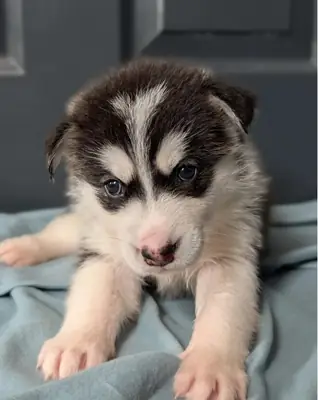
Siberian Husky Puppies
Male
Educated
Free Adoption
21 views

Siberian Husky Puppies
Male
Educated
Free Adoption
19 views
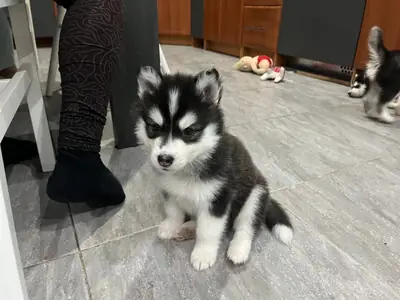
Siberian Husky Puppies
Male
Educated
Free Adoption
14 views
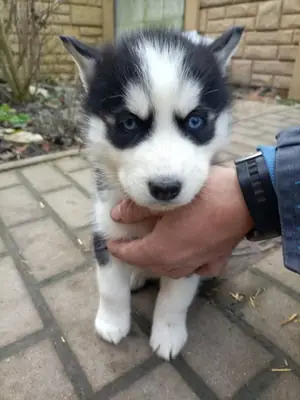
Siberian Husky Puppies
Male
Educated
Free Adoption
17 views
Siberian Husky Puppies
Male
Educated
Free Adoption
14 views
free Japanese Chin adoption listings
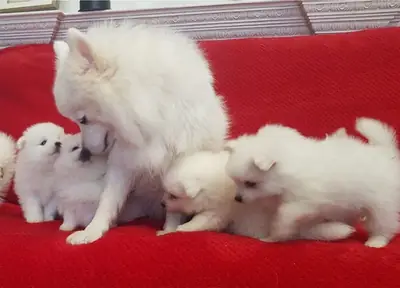
Щенки японского шпица ищут новый дом
Male
Educated
Free Adoption
381 views
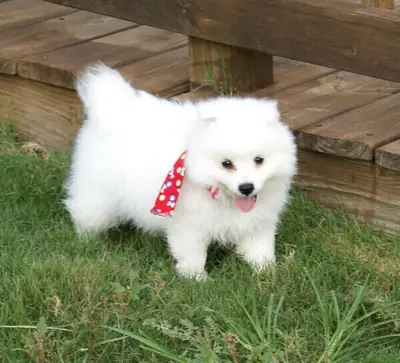
Japanese Splitz puppies
Male
Educated
Free Adoption
951 views
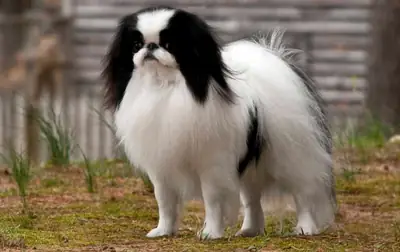
Elegant Japanese Chin for Adoption
Female
Not Educated
Free Adoption
1668 views

Japanese Chin Puppies
Male
Educated
Free Adoption
153 views
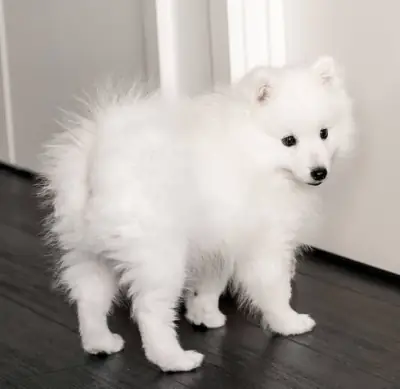
AKC Registered Japanese Spitz Puppies
Male
Educated
Free Adoption
517 views
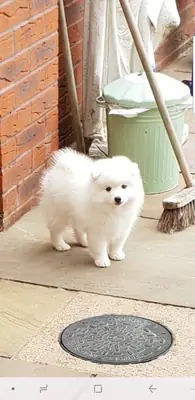
akc Reg Japanese spitz puppies
Male
Educated
Free Adoption
738 views