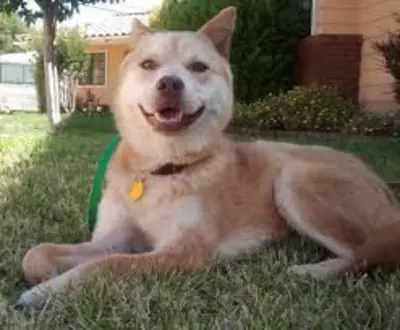
vs
Click on the breeds above to change the breed you want to compare.
Compare Japanese Chin and Nureongi side by side: temperament, energy, trainability, apartment fit, shedding, lifespan, weight and free adoption listings.
Breed traits
Character & behavior
Energy level
Playfulness
Intelligence
Trainability
Protectiveness
Sociability
Can stay alone
Lifestyle fit
Apartment-friendly
Yes
Yes
Good with kids
Yes
Yes
Good for first-time owners
Yes
Yes
Shedding
Noise level
Exercise needs
Physical & general
Life span
12–14 years
10–15 years
Weight
1.8–3.2 kg
15–30 kg
Height
20–27 cm
30–50 cm
Origin
Japan
South Korea
Grooming effort
Nutrition sensitivity
Health risk
Heat tolerance
Cold tolerance
The Japanese Chin and Nureongi are two distinct breeds with unique characteristics suited for different lifestyles. The Japanese Chin, originating from Japan, is a small, apartment-friendly breed with a lifespan of 12 to 14 years. It is known for its sociability and adaptability, making it a good choice for first-time owners. In contrast, the Nureongi, hailing from South Korea, is a medium-sized breed with a lifespan of 10 to 15 years. It exhibits a higher level of protectiveness and playfulness. While both breeds are good with kids and have similar grooming needs, their size, energy levels, and exercise requirements differ, influencing their suitability for various living situations and owner preferences.
Japanese Chin — Advantages
- Small size, ideal for apartments
- Highly sociable, enjoys being around people
- Good with kids, making it a family-friendly option
- Suitable for first-time dog owners
- Moderate grooming needs
- Lower exercise requirements
- Highly sociable, enjoys being around people
- Good with kids, making it a family-friendly option
- Suitable for first-time dog owners
- Moderate grooming needs
- Lower exercise requirements
Disadvantages
- Less protective compared to Nureongi
- Can be prone to separation anxiety due to lower tolerance for being alone
- Limited height range may not appeal to all owners
- Can be prone to separation anxiety due to lower tolerance for being alone
- Limited height range may not appeal to all owners
Nureongi — Advantages
- Larger size, offering a different presence
- Higher protectiveness, making it a good watchdog
- More playful, suitable for active families
- Can tolerate a wider range of climates
- Good with kids and first-time owners
- Higher protectiveness, making it a good watchdog
- More playful, suitable for active families
- Can tolerate a wider range of climates
- Good with kids and first-time owners
Disadvantages
- Requires more exercise than Japanese Chin
- Higher potential weight may not be suitable for all living situations
- Can stay alone longer but still needs companionship
- Higher potential weight may not be suitable for all living situations
- Can stay alone longer but still needs companionship
Frequently Asked Questions
Which breed is better for apartment living?
Both breeds are apartment-friendly, but the Japanese Chin's smaller size may make it more suitable.
How do these breeds differ in energy levels?
Both breeds have a moderate energy level, but the Nureongi is slightly more playful and requires more exercise.
Are they good with children?
Yes, both breeds are known to be good with kids.
Which breed is easier to train?
Both breeds have similar trainability, making them suitable for first-time owners.
What are their grooming needs like?
Both breeds have moderate grooming needs, requiring regular brushing.
free Japanese Chin adoption listings
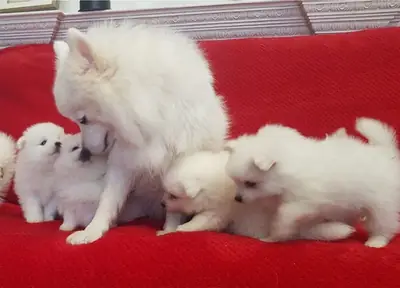
Щенки японского шпица ищут новый дом
Male
Educated
Free Adoption
330 views
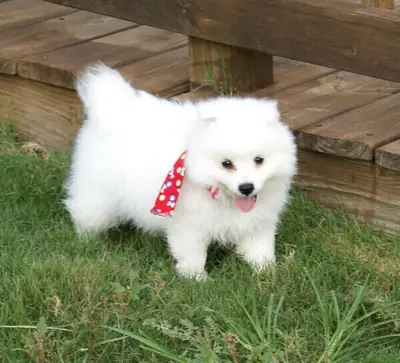
Japanese Splitz puppies
Male
Educated
Free Adoption
893 views
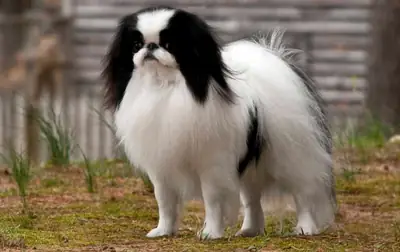
Elegant Japanese Chin for Adoption
Female
Not Educated
Free Adoption
1631 views
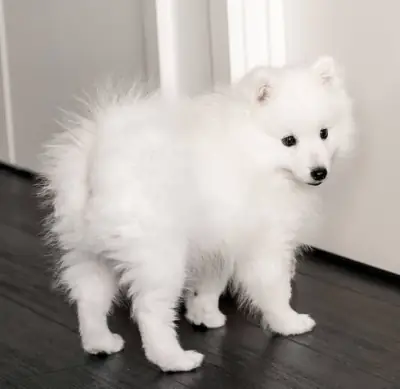
AKC Registered Japanese Spitz Puppies
Male
Educated
Free Adoption
463 views
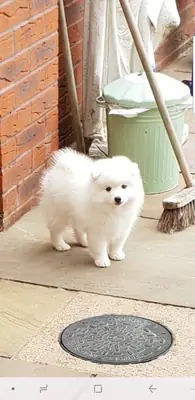
akc Reg Japanese spitz puppies
Male
Educated
Free Adoption
659 views

The Japanese Chin is a refined and affectionate companion.
Male
Not Educated
Free Adoption
1850 views