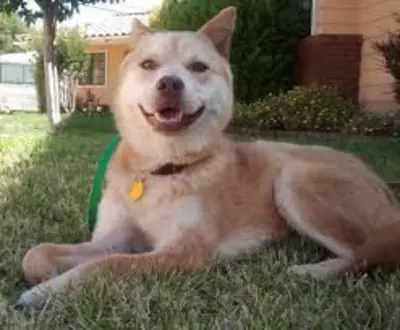
vs
Click on the breeds above to change the breed you want to compare.
Compare Pointer and Nureongi side by side: temperament, energy, trainability, apartment fit, shedding, lifespan, weight and free adoption listings.
Breed traits
Character & behavior
Lifestyle fit
Physical & general
Pointer — Advantages
Excellent trainability, making training easier
Good with kids, suitable for families
Intelligent breed, capable of learning various commands
Sociable and friendly, enjoys being around people
Disadvantages
Higher exercise needs, demanding for less active owners
Moderate shedding level, may require regular grooming
Less protective compared to other breeds
Can be noisy at times
Nureongi — Advantages
Moderate energy level, easier for less active owners
Good with kids, making it a family-friendly option
Lower shedding level, easier to maintain
Adaptable to various climates
Disadvantages
Less energetic, may not suit active lifestyles
Smaller size may not appeal to everyone
Moderate exercise needs, still requires regular activity
Protectiveness level is higher, which may lead to guarding behavior
Frequently Asked Questions
Which breed is better for families with children?
Both breeds are good with kids, but the Pointer is more energetic and playful, while the Nureongi is adaptable and calm.
Can these breeds live in an apartment?
The Nureongi is apartment-friendly, whereas the Pointer typically requires more space.
How much exercise do these breeds need?
The Pointer has higher exercise needs, requiring more activity, while the Nureongi has moderate exercise requirements.
Which breed is easier to train?
The Pointer is generally easier to train due to its higher intelligence and trainability.
Are either of these breeds good for first-time dog owners?
Both breeds are considered good for first-time owners, but the Pointer may require more commitment to exercise and training.
free Pointer adoption listings
F4 Female Pomsky

🏡 En A Coruña, un Braco Alemán busca un hogar donde reciba el amor y los cuidados que merece. 📧 Co

🐶 Vive grandes aventuras en Gijón junto a un Braco Alemán leal, activo y perfecto para toda la fami

🐾 En Córdoba, un Braco Alemán lleno de amor está esperando una familia responsable. ¡Hazlo parte de

⭐ Si estás en Alicante, este Braco Alemán