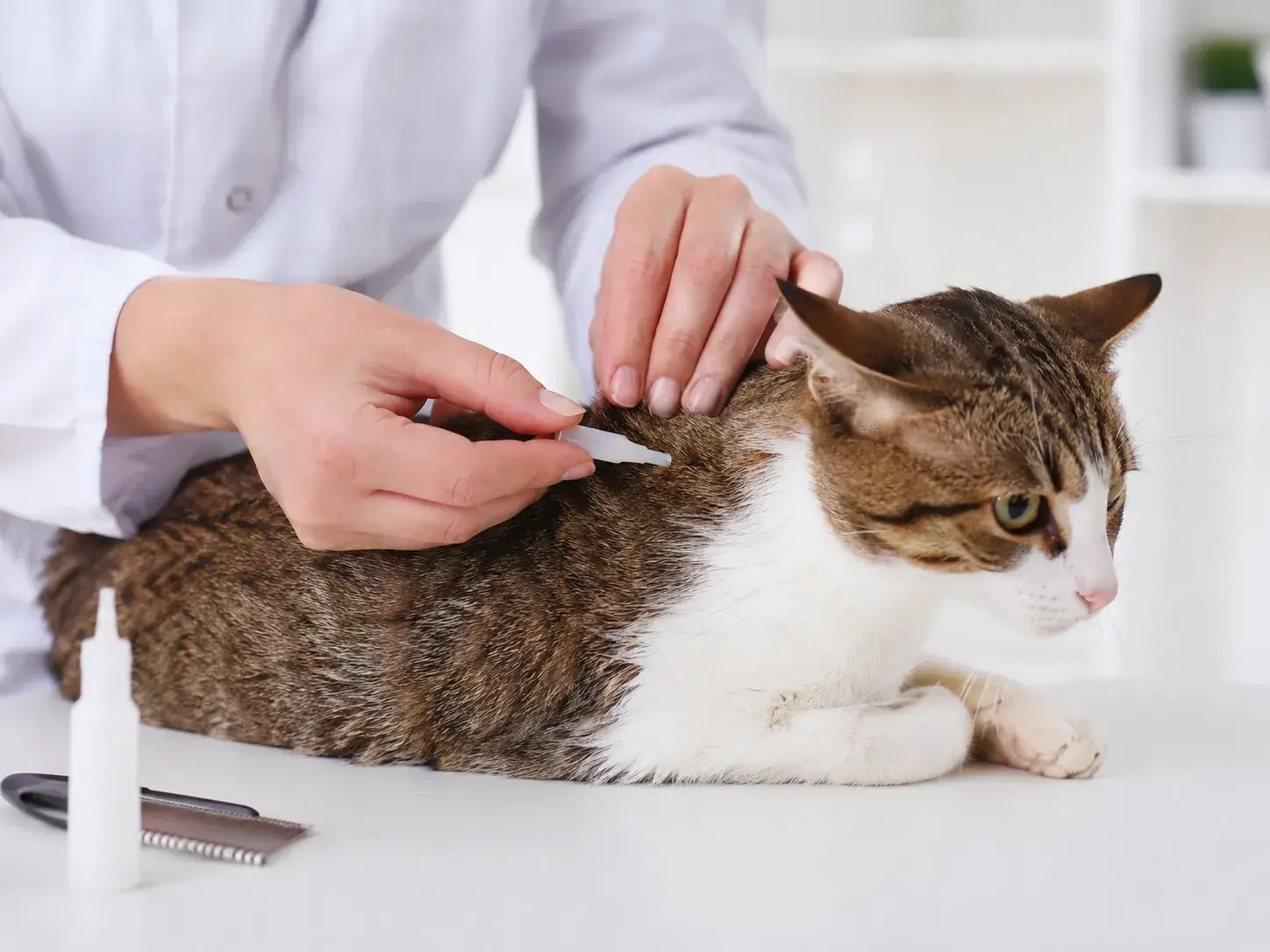
A cat flea, tick and worming schedule should be based on your cat’s age, weight, lifestyle, health, whether they live indoors or go outdoors, whether there are other pets in the home, local flea and tick risk, and the product your vet recommends. There is no single schedule that fits every cat. Kittens, adult indoor cats, outdoor cats, senior cats, pregnant cats, multi-cat households and cats living with dogs may all need different parasite plans. In the UK, cat owners often search for flea treatment, worming, indoor cat flea prevention, kitten worming schedules, tick protection and how often cats should be wormed. The safest approach is to build a risk-based plan with your vet instead of using random spot-on treatments, dog flea products or old tablets at home. Fleas can be brought indoors on clothing, bags, other animals or visiting pets; worms can be linked to hunting, fleas, raw feeding, outdoor access and shared environments. This guide explains how cat flea, tick and worming schedules work, how often treatment may be needed, what to do for kittens and indoor cats, which warning signs matter, what not to do at home, and why products must be chosen carefully for cats.
Many cat owners use the words flea treatment, wormer, tick treatment, parasite treatment and spot-on treatment as if they all mean the same thing. They do not. Fleas, ticks, roundworms, tapeworms, mites and other parasites are different problems, and one product may not cover them all. Some treatments are spot-ons, some are tablets, some are prescription-only, and some are only suitable for cats above a certain age or weight.
This article is not designed to help you choose a dose at home. It is designed to help you understand the logic of a safe cat parasite schedule so you can ask your vet the right questions. This is especially important for kittens, very small cats, pregnant or nursing cats, senior cats, cats with kidney or liver disease, cats taking regular medication and cats that have reacted badly to parasite products before.
What Is a Cat Flea, Tick and Worming Schedule?
A cat flea, tick and worming schedule is a year-round plan for preventing, checking and treating the parasites your cat is most likely to encounter. It may include flea treatment, worming, tick protection, mite checks, litter tray hygiene, home flea control and occasional faecal testing. It should be personalised rather than copied from a generic chart online.
A good cat parasite schedule considers:
- your cat’s age;
- your cat’s current weight;
- whether your cat is a kitten, adult or senior;
- whether your cat lives indoors only;
- whether your cat goes outdoors;
- whether your cat uses a balcony, garden, patio or catio;
- whether you have dogs or other cats at home;
- whether your cat hunts birds, mice or insects;
- whether your cat is fed raw meat or offal;
- previous flea, worm or tick history;
- local tick and flea risk;
- the active ingredient and duration of the product used;
- any medical conditions or medicines your cat already has.
This is why a simple answer such as “every month” or “every three months” is incomplete. Some cats need more regular protection, some need targeted worming, some need tick cover only during risk periods, and some indoor cats may need a lower-risk plan combined with monitoring.
Flea Treatment, Worming and Tick Treatment Are Not the Same
Flea treatment, worming and tick treatment are different parts of parasite control. A flea product may not kill worms. A worming tablet may not protect against fleas. A tick product may not cover every mite or flea life stage. The safest schedule is built around the exact parasites your cat is at risk from and the product your vet selects.
The main categories are:
- Flea treatment: Designed to kill or control fleas, depending on the product.
- Tick treatment: Designed to kill or repel ticks, depending on the product and label claim.
- Worming treatment: Used for internal worms such as roundworm and tapeworm, depending on the product.
- Mite or ear mite treatment: Used when mites are suspected or confirmed.
- Home flea control: Cleaning and environmental management to break the flea life cycle.
- Faecal testing: Used in some cases to check for internal parasites instead of guessing.
Do not assume one product covers everything. If your cat has fleas, worms, ticks, ear irritation or diarrhoea, each issue needs the right assessment.
How Often Should Cats Be Wormed?
How often cats should be wormed depends on age, lifestyle and risk. Many UK cat owners hear “every three months”, and that can be part of a common adult cat plan, but it is not the full answer for every cat. Kittens, hunters, outdoor cats, cats with fleas and cats in multi-pet homes may need a different approach.
Worming frequency depends on:
- whether your cat is a kitten or adult;
- whether your cat hunts;
- whether your cat goes outdoors;
- whether your cat has fleas;
- whether your cat eats raw meat;
- whether your cat lives with other cats or dogs;
- whether worms or worm segments have been seen;
- whether there are children or vulnerable people in the home;
- whether your vet recommends faecal testing;
- which worming product is being used.
Roundworm and tapeworm risk are not identical. Fleas can be linked to tapeworm, while kittens are often discussed in relation to roundworm control. Your vet may recommend different products or intervals depending on what is most likely.
Kitten Worming Schedule
Kittens need a more careful worming plan than adult cats. They are small, still developing and more vulnerable if parasites cause diarrhoea, poor growth, a swollen belly or weight loss. A kitten worming schedule must be based on age, body weight and a product that is safe for kittens.
Your vet will usually consider:
- the kitten’s age in weeks;
- the kitten’s exact weight;
- whether the kitten came from a home, rescue, breeder or street environment;
- whether the kitten has diarrhoea;
- whether the kitten has been sick;
- whether there is a swollen belly;
- whether worms or rice-like segments are visible;
- whether fleas are present;
- whether the kitten is eating well;
- whether vaccination can go ahead safely.
Do not give a kitten an adult cat wormer or a random product bought for another pet. Some products have strict age and weight limits. Weighing the kitten before worming is important because underdosing may be ineffective and overdosing can be dangerous.
For wider early-life care, feeding and first-home preparation, read the kitten care guide.
New Cat at Home: First Parasite Check
A newly adopted cat or kitten should have a parasite check early, even if they look healthy. Fleas, ear mites, roundworms, tapeworms and other parasites may not be obvious at first. This is especially important if the cat came from outdoors, a rescue centre, a multi-cat home, a cattery or an unknown background.
At the first vet visit, discuss:
- general health examination;
- skin and coat check;
- flea combing;
- checking for flea dirt;
- ear examination;
- tick check;
- worming history;
- whether a faecal sample is useful;
- flea treatment suitability;
- worming product choice;
- vaccination timing;
- what to do if there are other pets at home.
If you are preparing for your first appointment, see what should be done at the first vet visit.
Do Indoor Cats Need Flea and Worm Treatment?
Yes, indoor cats can still need flea and worm treatment, but the plan should be based on risk. Indoor-only living usually lowers exposure, but it does not remove it completely. Fleas can come into the home on clothing, bags, visitors, other pets or soft furnishings. Worm risk can also vary depending on fleas, raw feeding, new pets and household circumstances.
Indoor cat parasite risk may increase if:
- there is a dog in the home;
- another cat goes outdoors;
- your cat uses a balcony, catio or garden;
- you visit homes with pets;
- visiting animals come into the home;
- a new kitten or rescue cat arrives;
- your cat eats raw meat;
- your cat catches insects or small animals indoors;
- there has been a previous flea infestation;
- there are children or vulnerable people in the home.
An indoor cat may not need the same plan as an outdoor hunter, but “indoor” does not mean “no parasite risk”. Ask your vet for a plan that matches your cat’s real life.
Outdoor Cat Flea, Tick and Worming Schedule
Outdoor cats usually have a higher parasite risk than indoor cats. Cats that roam, hunt, use gardens, visit sheds, meet other cats or spend time in long grass are more exposed to fleas, ticks, worms and mites. Their schedule may need to be more consistent and broader.
Outdoor cats are more likely to encounter:
- fleas from other animals or environments;
- ticks in grass, woodland or gardens;
- roundworm from contaminated environments;
- tapeworm through fleas or hunting;
- mites and skin parasites;
- parasites from prey animals;
- parasites from contact with other cats;
- reinfestation from the environment.
For outdoor cats, parasite control should be reviewed regularly. If your cat hunts, eats prey or repeatedly brings home fleas, tell your vet. That information matters more than a generic calendar.
Cat Flea Treatment Schedule
Fleas are one of the most common parasites affecting cats in the UK. You may not always see live fleas because cats groom themselves so thoroughly. Sometimes the first sign is flea dirt, itching, scabs, overgrooming or hair loss around the lower back and tail base.
Common signs of fleas in cats include:
- scratching;
- overgrooming;
- biting at the skin;
- hair loss;
- scabs, especially around the neck or tail base;
- small black specks in the coat;
- flea dirt on a damp white tissue;
- restlessness;
- skin redness;
- flea allergy dermatitis;
- anaemia risk in kittens with heavy flea burdens;
- tapeworm risk.
A flea schedule is not only about killing adult fleas on the cat. Flea eggs, larvae and pupae can be in carpets, bedding, sofas and cracks in the floor. If your home has fleas, the environment matters as much as the pet treatment.
How Often Should Cats Have Flea Treatment?
How often cats need flea treatment depends on the product and the cat’s risk. Some cat flea treatments are used monthly, while others have different durations. You should follow the product label and your vet’s advice rather than guessing or repeating doses early.
Flea treatment frequency can depend on:
- the active ingredient;
- whether the product is prescription-only;
- your cat’s weight;
- your cat’s age;
- whether your cat goes outdoors;
- whether you have a dog;
- whether there are multiple cats;
- whether fleas have been seen before;
- seasonal and local flea pressure;
- whether your home has had a flea infestation;
- environmental considerations around routine parasiticide use.
The most important safety rule is that the product must be suitable for cats. Do not use dog flea treatment on a cat. Do not split a large pipette between cats. Do not use old products without checking expiry, species, weight range and veterinary suitability.
Cat Tick Treatment Schedule in the UK
Ticks are a bigger concern for cats that go outdoors, especially in gardens, parks, long grass, woodland, countryside areas or holiday locations. Cats living with dogs may also have more tick exposure because dogs can bring ticks into the home.
Check these areas after outdoor access:
- ears;
- around the eyes;
- chin and jawline;
- neck;
- armpits;
- groin;
- between toes;
- tail base;
- under long fur.
If you find a tick, do not burn it, cover it in oil, squeeze it, twist it with your fingers or apply alcohol. Use an appropriate tick remover or ask a vet practice to remove it safely. Leaving mouthparts behind or crushing the tick can cause irritation and infection risk.
Do Indoor Cats Need Tick Treatment?
Indoor cats usually have lower tick risk than outdoor cats, but some still need tick protection. The decision depends on the household and lifestyle. A cat that never leaves a flat may have low tick exposure, while a cat that uses a garden, balcony, catio or travels to countryside areas may need a different plan.
Indoor cats may need tick risk assessment if:
- there is a dog in the home;
- the cat uses a garden or catio;
- the cat goes to a cattery;
- the cat travels to rural areas;
- you live near fields, woodland or long grass;
- ticks have been found on pets in the home;
- another cat goes outdoors;
- you frequently visit pet-owning homes.
Not every flea product covers ticks. If ticks are a real risk, ask your vet whether your current product gives tick protection and how long that protection lasts.
Cat Worming Schedule
Worming is part of internal parasite control. The most commonly discussed worms in cats include roundworms and tapeworms, but the right product depends on the parasite being targeted. Seeing worms in the litter tray is not the only sign of a problem. Some cats carry parasites without obvious visible worms.
Worm risk can increase with:
- kitten age;
- outdoor access;
- hunting;
- raw meat feeding;
- flea infestation;
- multi-cat living;
- new rescue cats;
- shared litter trays;
- unknown worming history;
- children or vulnerable people in the household.
Worming should not be treated as a random tablet given whenever you remember. Your vet should know what product was used, when it was given, the cat’s weight and whether fleas or hunting are part of the risk picture.
Signs of Worms in Cats
Worms in cats are not always visible. Some cats show very few signs. Others may develop digestive problems, poor coat condition, weight loss or visible worm segments. Kittens and unwell cats can be affected more seriously.
Possible signs of worms in cats include:
- diarrhoea;
- being sick;
- weight loss;
- poor growth in kittens;
- bloated belly;
- increased appetite;
- reduced appetite;
- dull coat;
- rice-like segments around the bottom or in bedding;
- visible worms in faeces or vomit;
- scooting;
- tiredness.
If your cat has digestive signs, you can also read why is my cat being sick and when to worry and cat diarrhoea causes and warning signs. However, suspected worms need veterinary advice and, in some cases, a faecal sample.
Signs of External Parasites in Cats
External parasites can affect the skin, coat and comfort of your cat. Fleas, ticks, mites and lice are different problems, but they can all cause irritation. Constant scratching should not be ignored or treated blindly without understanding the cause.
Possible signs of external parasites include:
- scratching;
- overgrooming;
- hair loss;
- skin redness;
- scabs;
- black specks in the coat;
- visible fleas;
- visible ticks;
- head shaking;
- ear scratching;
- dark debris in the ears;
- restlessness;
- skin sores.
External parasite signs can look similar to allergies, fungal infections, food reactions or other skin disease. If the problem keeps coming back, a vet check is better than repeatedly changing products.
My Cat Licked Flea Treatment: What Should I Do?
If your cat licked flea treatment, the risk depends on the product, the amount and whether the product was actually safe for cats. Some cat spot-on products taste bitter and may cause drooling, lip-smacking or short-term discomfort if licked. However, exposure to the wrong product, especially some dog flea treatments, can be much more serious.
Warning signs after licking or being exposed to flea treatment include:
- excessive drooling;
- foaming at the mouth;
- being sick;
- trembling;
- muscle twitching;
- wobbliness;
- fast breathing;
- extreme agitation;
- seizures;
- collapse.
If your cat may have licked a dog flea product, shows tremors, has a seizure, becomes wobbly or seems very unwell, contact an emergency vet immediately. Keep the packaging so the vet can see the product name and active ingredient. For a broader emergency overview, read pet poisoning symptoms and first aid.
Can You Use Dog Flea Treatment on Cats?
No. You must not use dog flea treatment on cats. This is one of the most dangerous mistakes in parasite control. Some dog flea products contain ingredients that can be highly toxic to cats. A dose designed for a dog is not safe simply because the animal is a pet.
Follow these rules:
- Do not apply dog flea treatment to a cat.
- Do not split a dog product between cats.
- Do not split a large cat pipette between smaller cats.
- Do not guess based on body size alone.
- Do not use a product if you cannot confirm it is suitable for cats.
- Do not use products beyond the age or weight range on the label.
- Do not let cats groom dogs soon after dog flea treatment unless your vet says it is safe.
- Call a vet immediately if accidental exposure occurs.
Parasite products can be very useful when used correctly, but they are not harmless cosmetics. Correct species, correct weight range and correct veterinary advice matter.
Multi-Cat Household Parasite Schedule
In a multi-cat home, parasite control should not focus only on the cat that is scratching. Fleas can move through the home, worm risk can involve shared litter trays, and new cats can bring parasites into the household. Each cat still needs an individual weight-based plan.
In multi-cat homes:
- weigh each cat separately;
- use the correct product for each cat;
- do not share one pipette between cats;
- consider kittens, seniors and sick cats separately;
- check whether all cats need treatment at the same time;
- wash bedding and blankets if fleas are present;
- clean shared resting areas;
- manage litter tray hygiene;
- quarantine and vet-check new arrivals where possible;
- ask your vet about the whole household, not just one cat.
If one cat has fleas, the home environment may already be involved. Treating only one cat and ignoring the home can lead to repeated flea problems.
Cat Flea, Tick and Worming Schedule When You Have a Dog
If you have a dog at home, your cat’s parasite plan may need extra attention. Dogs go outside more often, visit parks, meet other dogs and can bring fleas or ticks into the home. Even an indoor cat can be exposed if the dog carries parasites indoors.
In homes with dogs:
- keep the dog’s flea and tick plan up to date;
- ask your vet how this affects the cat’s risk;
- never use dog flea products on the cat;
- keep cats away from recently treated dogs if advised;
- wash shared bedding if fleas are present;
- check dogs for ticks after walks;
- treat the household, not just one pet, if fleas appear;
- store cat and dog products separately.
Dog and cat parasite control should be coordinated, but the products are not interchangeable.
Pregnant or Nursing Cats
Pregnant and nursing cats need careful parasite control, but product choice is more sensitive. Not every flea, tick or worming product is suitable during pregnancy or nursing. Random treatment can put the queen or kittens at risk.
Your vet will consider:
- stage of pregnancy;
- whether the cat is nursing;
- the queen’s weight;
- her general health;
- whether fleas are present;
- whether worms are suspected;
- the kittens’ age;
- product safety in pregnancy or lactation;
- whether the whole home needs flea control;
- whether faecal testing is useful.
Do not delay parasite concerns in a pregnant or nursing cat, but do not self-treat without veterinary advice either.
Senior Cats and Cats with Health Conditions
Senior cats and cats with medical conditions may still need parasite control, but product choice and timing should be more careful. Cats with kidney disease, liver problems, neurological history, low body weight or regular medication should not be treated casually with random products.
Tell your vet if your cat has:
- kidney disease;
- liver disease;
- neurological problems;
- seizure history;
- regular medication;
- recent weight loss;
- vomiting or diarrhoea;
- pregnancy or nursing status;
- previous reaction to flea or worm products;
- recent blood test results.
A cautious approach does not mean doing nothing. It means choosing the safest plan for that cat.
Before Applying Flea, Tick or Worming Treatment
Before using any cat parasite product, check that the product is right for your cat. Many problems happen because the wrong species, weight range or age range is used. If anything is unclear, ask your vet before applying it.
Pre-treatment checklist:
- Is the product labelled for cats?
- Is your cat within the correct weight range?
- Is your kitten old enough for the product?
- Is your cat pregnant or nursing?
- Is your cat unwell, being sick or having diarrhoea?
- Is your cat taking other medicines?
- Do you know the last treatment date?
- Do you know what parasites the product covers?
- Can you stop your cat licking the application site?
- Are there dogs or other cats that might lick the product?
If you cannot answer these questions, do not guess. Call your vet practice and ask.
After Applying Flea or Worming Treatment
After applying a spot-on treatment or giving a worming product, monitor your cat. Mild grooming changes can happen, but severe signs are not normal. Keep the product packaging in case your vet needs the active ingredient.
Watch for:
- excessive drooling;
- being sick;
- diarrhoea;
- trembling;
- wobbliness;
- muscle twitching;
- breathing difficulty;
- severe itching;
- redness or sores at the application site;
- seizures;
- extreme tiredness;
- collapse.
If serious signs appear, or if there is any chance your cat was exposed to a dog flea product, contact a vet urgently.
Is Flea Treatment Alone Enough If Your Home Has Fleas?
Often, no. Adult fleas on the cat are only part of the problem. Eggs, larvae and pupae can be in carpets, sofas, bedding, blankets, floor cracks and soft furnishings. If the home environment is ignored, fleas may come back even after treatment.
If fleas are found, consider:
- treating all pets as advised by a vet;
- washing pet bedding and blankets;
- vacuuming carpets, rugs, sofas and skirting boards;
- emptying the vacuum afterwards;
- cleaning cat trees and resting areas;
- following repeat treatment dates carefully;
- asking your vet about safe home flea control;
- checking whether worming is needed because fleas can be linked to tapeworm.
A flea infestation is a household problem, not just a cat problem. Breaking the flea life cycle matters.
Litter Tray Hygiene and Parasite Control
Litter tray hygiene is an important part of parasite control, especially in multi-cat homes. Cleaning the tray does not replace worming, but it reduces exposure to faeces and helps you notice changes early.
Good litter tray habits include:
- remove faeces daily;
- clean trays regularly;
- use enough trays in multi-cat homes;
- avoid bare-hand contact with faeces;
- wash hands after cleaning;
- ask your vet if diarrhoea, blood or mucus appears;
- keep children away from litter trays;
- introduce new cats carefully before sharing trays;
- take a faecal sample if your vet asks for one.
Parasite control works best when medication, monitoring and hygiene are used together.
Which Cats May Need More Regular Parasite Control?
Some cats have a higher parasite risk than others. These cats may need more regular checks, more consistent treatment or a more detailed plan from the vet.
Higher-risk cats may include:
- outdoor cats;
- hunting cats;
- cats living with dogs;
- cats in multi-cat homes;
- cats that eat raw meat;
- new rescue cats;
- kittens;
- senior cats;
- cats with previous flea infestations;
- cats using catteries;
- cats travelling to rural areas;
- cats in homes with children or vulnerable people.
Higher risk does not always mean the same product for every cat. It means the vet needs to choose a plan that fits the real exposure.
How Your Vet Builds a Cat Parasite Schedule
A vet builds a parasite schedule by looking at your cat’s whole situation. This is why a good vet may ask several questions before recommending a flea, tick or worming product.
Your vet may ask about:
- age and weight;
- indoor or outdoor lifestyle;
- hunting;
- raw feeding;
- other pets in the home;
- previous flea or worm problems;
- recent vomiting or diarrhoea;
- skin irritation or scratching;
- travel and cattery stays;
- pregnancy or nursing;
- health conditions;
- current medicines;
- last treatment date;
- what product was used last time.
Take photos of product boxes, note dates in your phone and keep your cat’s current weight updated. These details make parasite planning much safer.
Parasite Control and Feeding
Feeding does not replace parasite control, but some feeding habits can increase parasite risk. Raw meat, raw offal, hunting and scavenging can all affect worm risk. A high-quality food supports general health, but it does not prevent fleas, ticks or worms by itself.
Riskier feeding situations include:
- raw meat diets;
- raw offal;
- hunting and eating prey;
- scavenging outdoors;
- eating from bins;
- uncontrolled table scraps;
- uncertain food hygiene.
If you want to review your cat’s daily diet, read how to choose the best cat food.
What Happens If You Miss a Flea or Worming Date?
Missing one date does not mean you should panic, but it does mean you should avoid guessing. Do not double-dose. Do not repeat a product early unless your vet tells you to. The right next step depends on the product, how late you are and your cat’s risk.
If a schedule is missed, risk may increase for:
- fleas;
- home flea infestation;
- itchy skin;
- tapeworm linked to fleas;
- roundworm exposure;
- diarrhoea;
- being sick;
- weight loss;
- poor kitten growth;
- ticks in outdoor cats;
- spread between pets.
If you miss a dose, tell your vet the last date, the product name and your cat’s current weight. Your vet can tell you whether to restart, wait or change the plan.
Is It Safe to Buy Cat Flea and Worming Products Without a Vet?
Some products are available without a prescription, but that does not mean every product is right for every cat. Buying the wrong product can lead to poor protection, side effects or serious poisoning if a dog product is used on a cat.
Be careful with:
- products not clearly labelled for cats;
- products with the wrong weight range;
- dog flea treatments;
- old products found at home;
- unknown online sellers;
- products with unclear active ingredients;
- kitten age limits;
- pregnant or nursing cats;
- cats with medical conditions;
- duplicate products given too close together.
Vet advice is especially important if your cat is young, old, unwell, pregnant, nursing, very small, on medication or has had a reaction before.
Quick Summary: Cat Flea, Tick and Worming Schedule
A cat flea, tick and worming schedule should be personalised. Kittens, adult indoor cats, outdoor cats, senior cats, pregnant cats, multi-cat households and cats living with dogs can all need different plans. The schedule depends on risk, product duration, weight, age and veterinary advice.
Indoor cats are not completely risk-free. Fleas can enter homes on clothing, bags, visiting pets and other animals. Worm risk can be linked to fleas, raw feeding, new pets and household environment. Outdoor cats, hunters and cats living with dogs usually need more careful parasite control.
Never use dog flea treatment on a cat. Some dog flea products are highly toxic to cats. Trembling, seizures, drooling, wobbliness, being sick, collapse or exposure to a dog product should be treated as urgent.
The safest plan is to tell your vet your cat’s weight, age, lifestyle, last treatment date, product name and any symptoms, then build a flea, tick and worming schedule that fits your cat.
Frequently Asked Questions
How often should cats be wormed?
How often cats should be wormed depends on age, weight, lifestyle, hunting, flea exposure, raw feeding, other pets and the product used. Many adult cats are wormed regularly, often around every three months, but kittens and higher-risk cats may need a different plan. Ask your vet for a schedule based on your cat’s real risk.
Do indoor cats need flea and worm treatment?
Yes, indoor cats can still need flea and worm treatment. Fleas can enter the home on clothing, bags, visitors, dogs or other pets. Worm risk can also vary with fleas, raw feeding, new cats and household circumstances. Indoor cats usually have lower risk than outdoor cats, but they are not automatically risk-free.
What is the kitten worming schedule?
A kitten worming schedule should be based on the kitten’s age, weight, health and background. Kittens often need earlier and more regular worming than adult cats, but the product must be safe for their age and weight. Do not give adult cat wormers or random products to kittens. Your vet should create the schedule.
How often should cats have flea treatment?
Cat flea treatment frequency depends on the product’s duration and your cat’s risk. Some products are used monthly, while others last longer. Outdoor cats, cats living with dogs, multi-cat homes and cats with previous flea problems may need more consistent protection. Follow your vet’s advice and the product label.
What are the signs of fleas in cats?
Signs of fleas in cats include scratching, overgrooming, biting at the skin, hair loss, scabs, black specks in the coat, flea dirt, restlessness and skin redness. Some cats groom so much that live fleas are hard to see. Fleas can also be linked to tapeworm, so worming may need to be discussed with your vet.
What are the signs of worms in cats?
Signs of worms in cats can include diarrhoea, being sick, weight loss, poor growth in kittens, bloated belly, appetite changes, dull coat, rice-like segments around the bottom, visible worms in faeces or vomit, scooting and tiredness. Some cats show few signs, so vet advice and sometimes faecal testing may be needed.
How do I check my cat for ticks?
Check around the ears, eyes, jawline, neck, armpits, groin, between toes, tail base and under long fur. If you find a tick, do not burn it, cover it in oil or pull it with your fingers. Use a proper tick remover or ask a vet practice to remove it safely.
What if my cat licked flea treatment?
If your cat licked flea treatment, check the product name and whether it was made for cats. Bitter taste may cause drooling or lip-smacking, but tremors, wobbliness, being sick, seizures, collapse or exposure to a dog flea product is urgent. Keep the packaging and contact your vet or an emergency vet immediately.
Can I use dog flea treatment on my cat?
No. Dog flea treatment must not be used on cats. Some dog flea products contain ingredients that are highly toxic to cats. Cats should only receive products that are suitable for cats and correct for their age and weight. If a dog product has been applied to a cat, contact a vet immediately.
Should flea, tick and worming treatment be done before vaccination?
For kittens and newly adopted cats, vets often assess general health, weight, parasite risk and signs such as diarrhoea before finalising vaccination timing. Heavy parasite burden, illness or poor condition may affect the plan. Vaccination and parasite control are separate but connected parts of preventive care, so your vet should coordinate both.